

An air conditioner that quits during a Fort Worth summer isn’t something most homeowners can put off until next week. Neither is a heating system that stops working when a North Texas cold front sends temperatures below freezing.
Some HVAC problems simply need attention quickly.
Poe Air provides emergency HVAC services in Fort Worth, TX, for homeowners dealing with urgent air conditioning and heating problems. From sudden cooling failures and electrical issues to furnaces that won’t start, our technicians diagnose the problem, explain what has happened, and help determine the safest and most practical way to restore your system.
We service residential HVAC systems throughout Fort Worth, including homes in North Fort Worth, Benbrook, Ridglea, Arlington Heights, the TCU area, Alliance Corridor, Westover Hills, and surrounding communities.
If something doesn’t seem right with your system, especially during extreme weather, don’t ignore it. Contact Poe Air and tell us what’s happening.
Fort Worth weather places considerable demand on residential heating and cooling equipment.
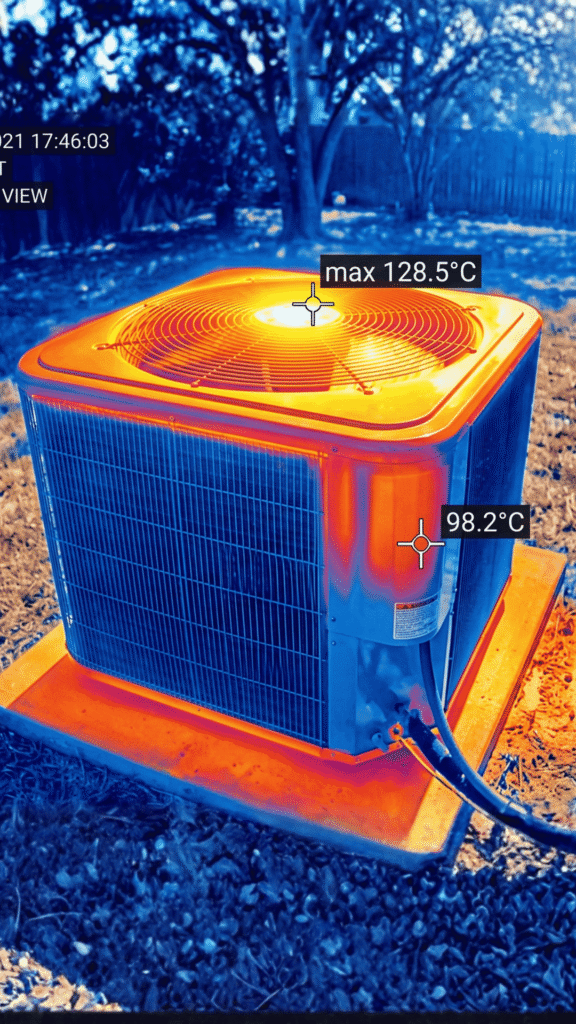
During the hottest part of summer, an air conditioner may run for hours at a time trying to maintain the temperature inside your home. Components are operating under substantial heat and mechanical stress, which is why failures often happen during the very weather conditions when you need cooling most.
Winter presents a different problem. Heating systems may spend long periods relatively inactive before being called upon during a sudden cold front.
When either system fails, indoor temperatures can change surprisingly quickly.
Loss of heating or cooling can be particularly concerning in homes with young children, older adults, pets, or anyone who is sensitive to extreme temperatures.
There are also situations where continuing to operate a malfunctioning system can cause additional equipment damage.
Getting the problem properly diagnosed can prevent a relatively contained repair from developing into a much more expensive one.
Fort Worth’s climate creates a demanding environment for HVAC equipment.
Air conditioners in North Texas can operate for much of the year. That accumulated runtime places wear on compressors, motors, capacitors, contactors, and other components.
During periods of extreme heat, cooling systems may operate almost continuously. A component that has been weakening for months may finally fail when the system is placed under maximum demand.
Your air conditioner isn't simply lowering the temperature. It also removes moisture from the indoor air. High humidity increases the overall cooling load and can make a struggling system even more noticeable.
Airborne dust, pollen, and debris can accumulate on filters and HVAC components. Restricted airflow forces equipment to work harder and may contribute to overheating, frozen coils, and reduced cooling performance.
Long operating cycles mean more wear. Without regular maintenance, small problems can remain unnoticed until the system suddenly stops working.
This is one reason preventative HVAC maintenance is so valuable in Fort Worth. Catching a weak capacitor, dirty coil, drainage problem, or deteriorating electrical component before peak season can sometimes prevent an emergency altogether.
Not every HVAC problem is an emergency, but certain symptoms deserve prompt professional attention.
If your air conditioner is running but the temperature inside your home continues climbing, there may be a problem with the compressor, refrigerant system, electrical components, airflow, or another critical part of the system.
A loss of heat during a significant cold spell can quickly become more than an inconvenience.
A persistent burning or electrical smell should never be ignored. Turn the system off and contact an HVAC professional.
Resetting a breaker repeatedly isn’t a repair. Frequent trips may indicate an electrical fault, failing component, or excessive current draw.
Grinding, screeching, banging, or severe vibration can indicate mechanical failure. Continuing to operate the equipment may cause additional damage.
Ice on refrigerant lines or the indoor coil may be caused by restricted airflow, refrigerant problems, or other system faults.
Turning the thermostat lower usually won’t solve the problem and can make the condition worse.
The cause could be relatively simple, such as a thermostat or electrical problem, or it could indicate a more significant component failure. Proper diagnosis is the fastest way to find out.
An urgent HVAC problem calls for accurate diagnosis rather than guesswork.
We begin by identifying what you’re experiencing, when the problem started, and any unusual sounds, smells, or system behavior you’ve noticed.
Our technician evaluates the relevant heating or cooling equipment and looks for the underlying cause of the failure.
We test the appropriate electrical, mechanical, airflow, thermostat, refrigerant, or heating components rather than replacing parts based solely on symptoms.
Once the problem has been identified, we’ll explain what we’ve found and discuss the appropriate repair options.
Where a repair is appropriate and possible, we’ll work to restore safe, dependable operation.
After repairs are completed, system operation is checked to make sure the equipment is functioning correctly.
You should understand what went wrong with your HVAC system and what was done to correct it before the job is finished.
Few HVAC problems are more disruptive in Fort Worth than losing air conditioning during the height of summer.
Emergency cooling problems can include:
Some cooling failures have relatively straightforward causes. Others indicate a more significant mechanical problem.
The important thing is determining which situation you’re dealing with.
If your system has completely stopped cooling, repeatedly trips a breaker, produces unusual odors, or is making severe mechanical noises, switching the equipment off until it can be inspected may help prevent additional damage.

Fort Worth winters may be shorter than the summers, but heating failures can become urgent when temperatures suddenly fall.
We diagnose problems affecting furnaces, heat pumps, thermostats, blower systems, electrical controls, and other residential heating equipment.
Common urgent heating problems include:
If you smell gas or suspect a gas leak, leave the property and contact your gas utility or emergency services from a safe location. Do not attempt to diagnose a suspected gas leak yourself.
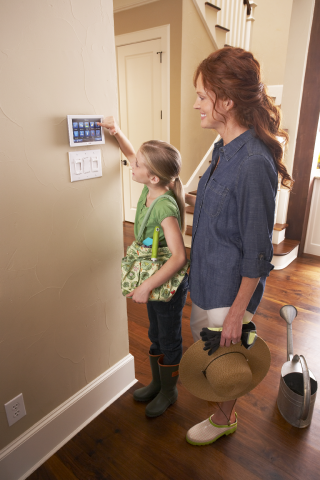
When your system suddenly stops working, there are a few simple things you can safely check before scheduling service.
Start with your thermostat.
Make sure it is set to the correct heating or cooling mode and that the temperature setting is calling for the system to operate.
Check the air filter. A severely clogged filter can restrict airflow and cause some systems to shut down.
You can also check whether the HVAC breaker has tripped. If it has, avoid repeatedly resetting it. A breaker that continues to trip needs professional diagnosis.
Look around the indoor and outdoor equipment for anything obviously unusual, but don’t remove electrical panels or attempt to work on refrigerant or electrical components yourself.
If these basic checks don’t solve the problem, it’s time to have the system inspected.
A system failure doesn’t automatically mean you need a new HVAC system.
In many cases, repairing the equipment is the sensible choice.
An emergency is also a poor time to feel pressured into buying equipment you don’t need.
Poe Air will evaluate the condition of your existing system and explain the available options so you can decide whether repair or replacement makes the most sense for your home.
If replacement is the better option, we can also help you understand the considerations involved in choosing and installing a new HVAC system for Fort Worth’s demanding climate.
Not every breakdown can be predicted, but many HVAC emergencies give warning signs before complete failure.
Weak electrical components, dirty coils, airflow restrictions, worn motors, drainage problems, and declining system performance can often be identified during routine maintenance.
Pay attention when your HVAC system begins behaving differently.
Longer run times, higher electricity bills, new noises, unusual odors, inconsistent temperatures, or repeated minor repairs shouldn’t simply be dismissed as an aging system being temperamental.
They are information.
Regular HVAC maintenance gives a technician an opportunity to find developing problems before your system is pushed to its limits by the next Fort Worth heat wave or winter cold snap.
When your HVAC system fails, you don’t need a complicated sales pitch. You need to understand what went wrong and what needs to happen next.
Poe Air provides professional HVAC service built around accurate diagnosis, quality workmanship, and straightforward communication.
We serve homeowners throughout Fort Worth, including North Fort Worth, Benbrook, Ridglea, Arlington Heights, the TCU area, Alliance Corridor, Westover Hills, and surrounding communities.
Homeowners choose Poe Air for:
Whether the problem turns out to be a relatively simple repair or a major equipment failure, our job is to help you understand the situation and make the right decision for your home.
Complete loss of cooling during extreme heat, loss of heating during freezing weather, electrical burning smells, repeated breaker trips, severe mechanical noises, and other situations that may affect safety or cause additional equipment damage can justify urgent HVAC service.
Check the thermostat, air filter, and breaker first. If the system still won’t operate or the breaker trips again, contact an HVAC technician for diagnosis.
If the system is producing unusual noises, has ice forming on it, repeatedly trips a breaker, or appears to be malfunctioning severely, turning it off until it can be inspected may help prevent further damage.
Possible causes include restricted airflow, a dirty coil, electrical component failure, thermostat problems, compressor issues, or a refrigerant-related fault. Diagnosis is needed to identify the actual cause.
It can become a significant problem. Continuing to operate a frozen system can contribute to additional damage. Turn the cooling system off and arrange an inspection.
Check the thermostat and electrical supply. If the heating system still won’t operate, contact an HVAC professional rather than attempting internal repairs yourself.
Leave the property and contact your gas utility or emergency services from a safe location. Do not operate switches, attempt HVAC repairs, or remain inside while investigating a suspected gas leak.
No. Many breakdowns can be repaired. Replacement generally becomes more relevant when equipment is older, unreliable, inefficient, or requires a major repair that offers poor long-term value.
Maintenance cannot prevent every failure, but it can identify many developing problems before they cause a breakdown.
Extreme heat creates long operating cycles and high mechanical and electrical demand. Components that are already worn or weakened are more likely to fail when the system is working at maximum capacity.
When your air conditioning or heating system fails, you need to know what’s wrong and what can be done about it.
Poe Air provides emergency HVAC services throughout Fort Worth, TX, helping homeowners diagnose urgent heating and cooling problems and restore dependable home comfort.
Whether your AC has stopped cooling during a summer heat wave, your heater won’t start during a cold front, or your HVAC system is showing signs of a serious problem, contact Poe Air today to schedule service.
We’ll help you get to the bottom of the problem and determine the right next step for your home.
